
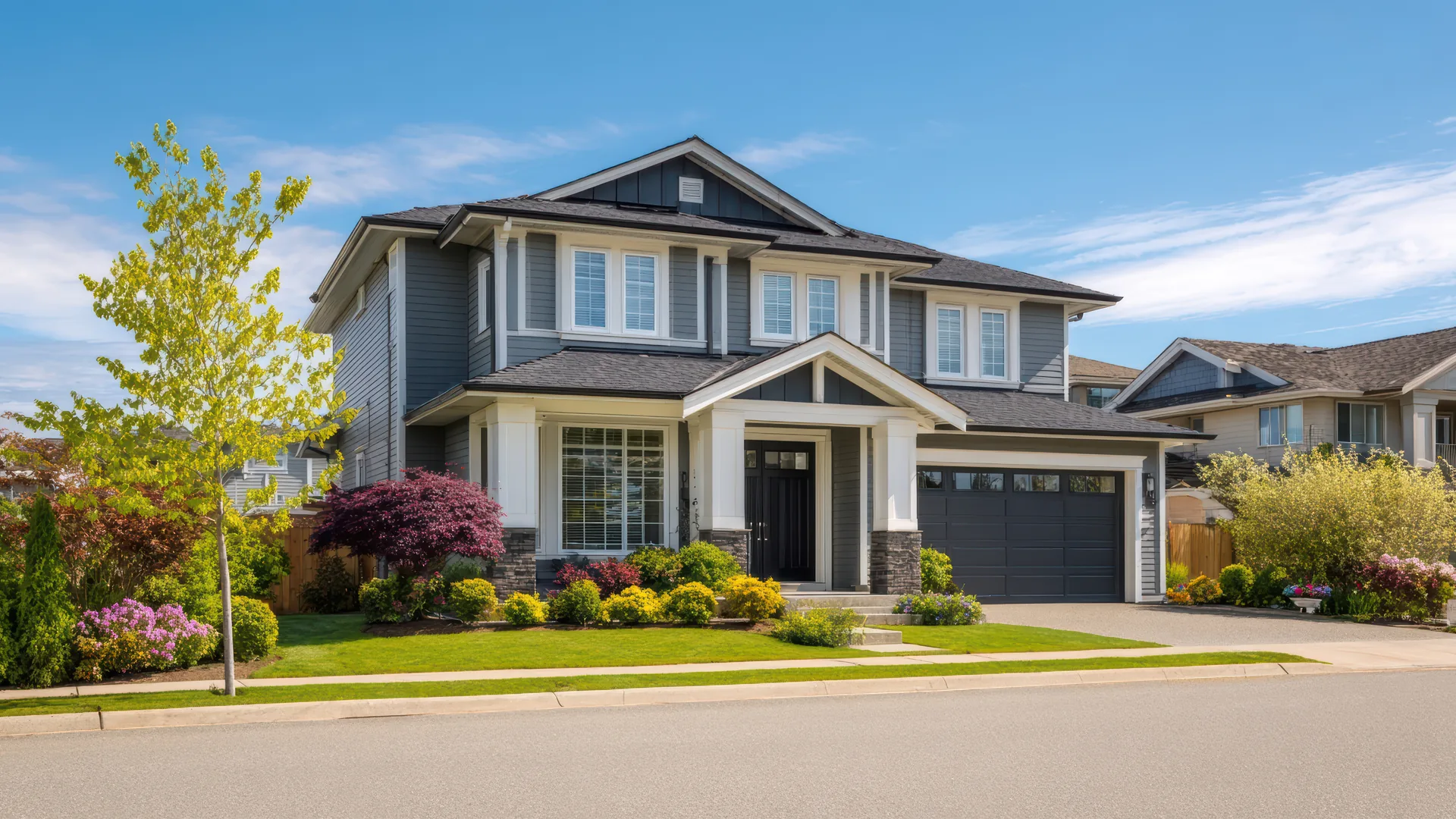
Before listing, most sellers wonder how much to spend. In Florida the answer starts with insurance: the items a buyer’s insurer cares about often matter more than cosmetic upgrades. Fix what can stop a sale, present the rest well, and skip projects buyers will not pay for.
In short: prioritize roof, electrical, plumbing, HVAC and safety items that affect a buyer’s insurance and financing. Do inexpensive cosmetic work that photographs well. Skip major remodels unless the competition demands them.
Why does insurance drive the repair list in Florida?
A buyer usually needs homeowners insurance to close on a mortgage. Insurers in Florida often ask for:
- A four-point inspection of the roof, electrical, plumbing and HVAC, especially for older homes.
- A wind mitigation report, which can lower the buyer’s premium.
- Roof age and condition. Under Florida law (s. 627.7011), an insurer cannot refuse or nonrenew a policy solely because a roof is less than 15 years old. For older roofs, an inspection showing remaining useful life can help keep coverage available.
If a home cannot be insured at a reasonable cost, the sale can stall. That is why these items come first.
What should you fix before listing?
- Roof leaks or damage. Repair, and keep the invoice and permit.
- Electrical safety issues. Outdated or unsafe panels and wiring flagged by insurers.
- Plumbing leaks and water damage. Fix the source and document the repair.
- HVAC. Service it and keep the record. Buyers in Florida check it closely.
- Open permits. Close any permits for past work, or closing may be delayed.
- Safety items. Pool safety features, broken railings, missing smoke detectors.
What small projects pay off?
- Fresh neutral paint where walls are marked or dated
- Deep cleaning, including windows and screens
- Pressure washing driveways, walks and the pool deck
- Landscaping: trimmed shrubs, fresh mulch, a tidy entry
- Replacing burnt-out bulbs and fixing small items like doors and fixtures
These cost little and change how the home looks in photos and in person.
What can you usually skip?
- Full kitchen or bath remodels. Buyers often want their own choices, and you rarely recover the cost.
- Upgrades above the neighborhood level. Your price is anchored by nearby sales.
- Projects that will not finish before listing. Half-done work hurts more than dated finishes.
The exception is when every competing home already has the upgrade. Ana compares your home with the competition before suggesting any larger project.
Should you get a pre-listing inspection?
Often it helps, especially for older homes. Knowing the roof, systems and any issues in advance lets you fix, price or disclose them on your terms, rather than negotiate under deadline after the buyer’s inspection.
What must you disclose?
Florida requires sellers to disclose known facts that materially affect the value of the home and are not readily observable. Since October 1, 2025, residential sellers must also disclose flood insurance claims, federal flood assistance and known flood damage during their ownership. Repairing an issue does not erase the need to disclose it if it still affects value; ask a Florida real estate attorney if you are unsure. See the guide to selling in Central Florida for more.
Frequently asked questions
Do I need to replace an old roof before selling in Florida?
Not always. Roof age affects a buyer’s insurance, so it may come up in negotiations. An inspection showing remaining useful life, a repair or a price adjustment are all options to compare.
What is a four-point inspection?
An inspection of the roof, electrical, plumbing and HVAC systems that many Florida insurers request, especially for older homes.
Should I renovate the kitchen before selling?
Usually not. Cosmetic updates such as paint, lighting and hardware tend to pay off better than a full remodel, unless competing homes in your neighborhood all have updated kitchens.